
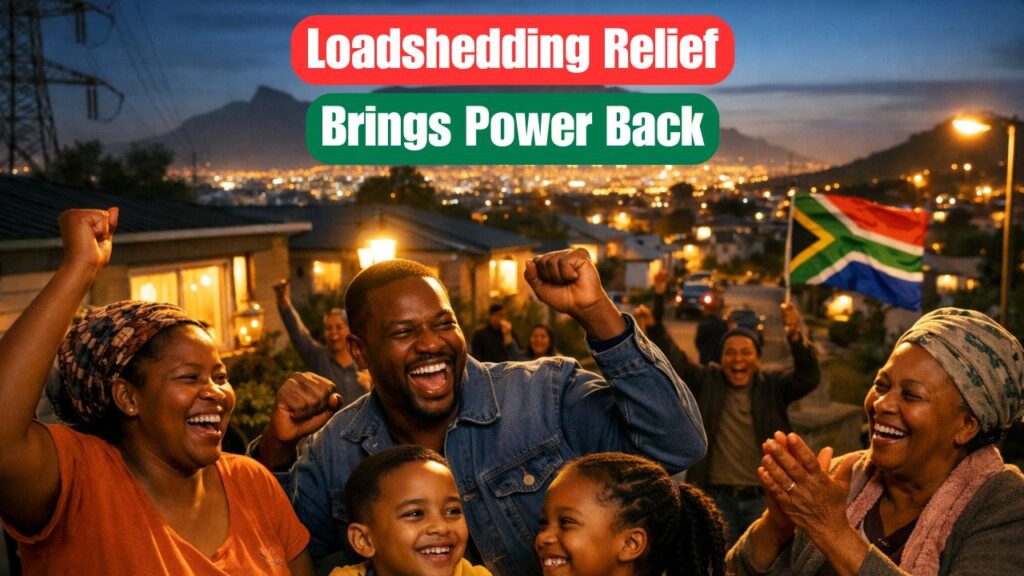
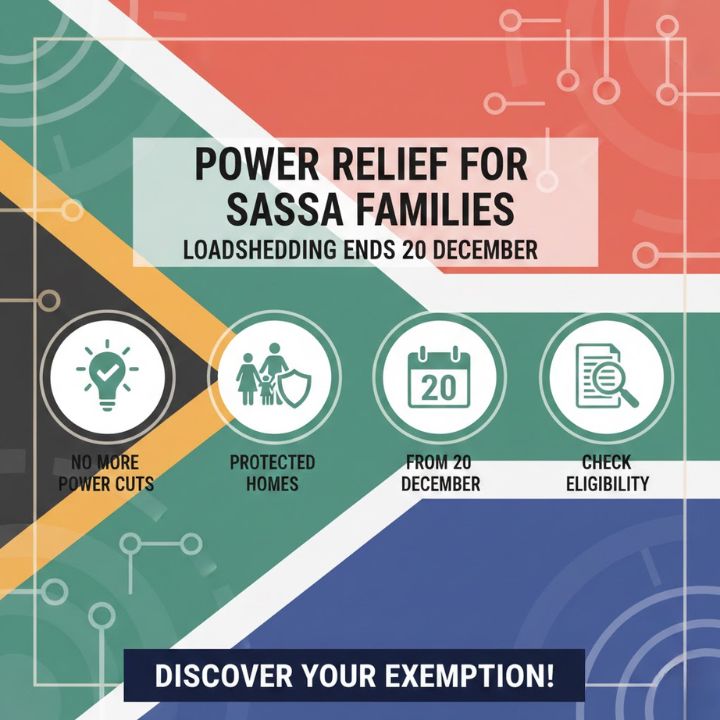
The South African government has announced an important change for families who receive SASSA grants. Starting from 20 July these households will be exempt from loadshedding. This decision aims to help those who need support the most during the ongoing power crisis. Many families across South Africa will welcome this news. Loadshedding has caused major problems in daily life and has affected how people work and earn money. The government wants to make sure that families receiving social grants can access electricity without interruption. This is crucial for everyday tasks like cooking and heating their homes. It also helps children who need electricity for their schoolwork and studies.
Who Qualifies for the SASSA Loadshedding Relief Program?
The loadshedding exemption for SASSA beneficiaries represents a targeted response to South Africa’s ongoing electricity crisis. Loadshedding has created lasting problems that affect homes and businesses across the country. Families who rely on SASSA grants face particularly difficult circumstances because power cuts make it harder for them to cover their essential expenses. The exemption ensures that these households receive priority status during scheduled power outages so they can maintain consistent electricity access. This program aims to provide immediate relief while helping these families work toward better living standards. The exemption applies to several groups of SASSA recipients. Old age pension beneficiaries will receive protection from scheduled outages. People who receive disability grants qualify for the exemption. Families that depend on child support grants can access uninterrupted power. Those caring for foster children under the foster child grant program are included. War veterans who receive government grants fall under the exemption. Households with care dependency grants also qualify for continuous electricity supply.

How Government Will Roll Out Power Exemptions from 20 December
The loadshedding exemption for SASSA families will require cooperation between multiple government departments and Eskom. The process starts with identifying qualifying households using SASSA’s existing database. These households must then be added to Eskom’s electricity network management systems. Strong data management and clear communication plans are needed to make sure all qualifying families know about the program and receive the benefits.
– Local municipalities will also have an important part to play in making the exemption work.

– They will help ensure that each community’s specific needs & situations are taken into account.
– The key steps include integrating eligible households with Eskom’s grid management system & checking eligibility through SASSA records.
– Communication strategies must be developed to reach all beneficiaries.
– Local municipalities need to coordinate with national departments throughout the process.
– Regular monitoring & evaluation will help determine if the program is working effectively.
What This Electricity Relief Means for SASSA Households Nationwide
The loadshedding exemption should provide meaningful relief and stability to SASSA families by letting them plan their daily routines without worrying about power cuts. This change will improve their overall quality of life & create better conditions for health and safety while giving children a more suitable space to study. The wider community stands to gain from this initiative as well since it will likely ease pressure on local support networks & strengthen community resilience. Although the exemption focuses on SASSA beneficiaries it also establishes a model for potentially developing similar programs for other vulnerable groups down the line.
| Category | Key Impact | Main Advantage | Possible Hurdle |
|---|---|---|---|
| SASSA Households | Better daily living & stability | More dependable electricity access | Clear, timely beneficiary updates |
| Neighbourhood Communities | Lower pressure on shared services | Stronger community preparedness | Aligning with local municipality plans |
| Government & Departments | Visible policy outcome | Higher confidence from the public | On-ground rollout & administration |
| Eskom Operations | Smoother demand balancing | Improved supply consistency | Network syncing & grid readiness |
| Partners & Stakeholders | Wider public attention on support | Opens door for future programs | Keeping all parties actively involved |
How Local Communities Support Loadshedding-Free Zones
Community involvement is crucial for the success of the loadshedding exemption initiative. Local communities can play a vital role in identifying eligible families, providing feedback on the implementation process, and advocating for broader access to similar benefits. Community leaders and organizations can work alongside government entities to ensure that the exemption reaches those who need it most, while also promoting energy-saving practices and alternative solutions to loadshedding within their areas.
– Community workshops and awareness programs

– Feedback mechanisms for implementation
– Partnerships with local NGOs
– Promotion of energy conservation practices
– Advocacy for additional support measures
South Africa’s Long-Term Plan to Fix the Energy Crisis
Moving Beyond Emergency Measures The decision to exempt SASSA families from loadshedding represents an important first step. However it also reveals the urgent need for permanent solutions to South Africa’s ongoing power problems. The government must work together with private companies to find lasting answers through sustainable energy development and better infrastructure and updated policies that tackle the real causes of these energy shortages. South Africa needs to focus on several key areas to build a stable power system. The country should increase spending on renewable energy sources like solar & wind power. The national electricity grid requires urgent upgrades to handle modern demands. Energy policies need reform to promote efficiency and reduce waste.
– Finally the government should create partnerships with private businesses to bring in new investment & expertise to the energy sector.
– These combined efforts will help create a reliable power supply that serves all South Africans equally.
– Without these fundamental changes the country will continue facing electricity shortages that hurt families & slow economic growth.
– The time for temporary fixes has passed & South Africa must now commit to building an energy system that works for everyone.