
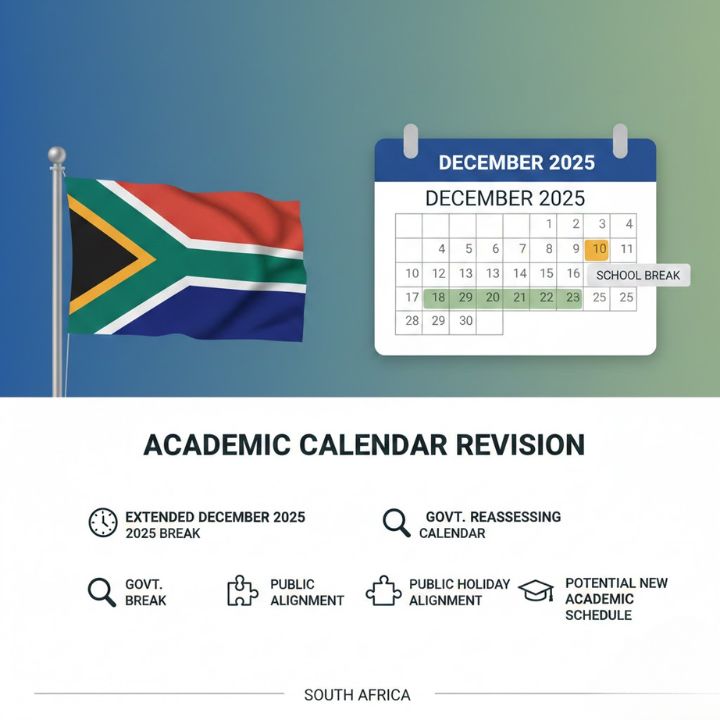
The South African government is currently reviewing the school calendar and this has sparked discussions about potentially extending the December 2025 holidays. This review forms part of an ongoing effort to enhance education outcomes while taking into account the wellbeing of both students and teachers. The government aims to examine various challenges within the education system including the distribution of holidays throughout the year and their impact on student achievement. Families across the country are awaiting the final decision. The prospect of extended holidays generates both anticipation & concern among many people.

Learning Disruptions and Academic Outcomes During the Lengthened Break
Extended December Holidays in 2025: What South African Schools Need to Consider The prospect of longer December holidays in 2025 raises important questions for South African schools. Extra time off could allow students to rest properly and return to school ready to learn. However this change brings complications that schools must address. Schools would need to restructure their annual schedules while ensuring they still teach everything required without compromising educational standards.
 UK £600 DWP Cost of Living Relief for 2025 : New Rules, Full Schedule and Other Details Here
– Teachers and education administrators must weigh whether the benefits of extended breaks justify the disruption to the academic calendar. Maintaining student engagement and motivation throughout a longer holiday period will be crucial for preserving educational quality.
– Benefits and Challenges of Extended School Breaks Longer school breaks offer families more opportunities to spend time together & create travel experiences.

– Students can visit new destinations and build stronger family relationships during these extended periods away from the classroom.
– These breaks also present difficulties in maintaining academic momentum. When children stay away from school for long stretches they often lose some of the knowledge & skills they developed during the term.
This phenomenon affects their readiness to resume learning. Teachers frequently observe that students require an adjustment period when classes resume after extended breaks. Getting back into academic routines takes time and effort from both students and educators.

How Authorities Plan to Realign the 2025 Academic Calendar and Public Holidays
The South African government has an important responsibility in examining the school calendar to ensure the education system aligns with national objectives and international benchmarks. The Department of Basic Education is engaging with teachers and parents and students to gather their perspectives on the proposed modifications. This inclusive method seeks to create a school calendar that functions effectively and addresses various needs. The government is examining how other nations structure their academic years & holiday periods to enhance student achievement. The process involves consulting with education specialists and school stakeholders. It includes analyzing data from previous calendar adjustments and considering the distinct requirements of different regions. The government is collecting input from teachers and school administrators and ensuring alignment with educational objectives and standards.
Evolution of South Africa’s School Holiday Framework Over the Years
Understanding the history of school holidays in South Africa helps explain current debates about changing the calendar. The school calendar has traditionally followed seasonal patterns and important cultural events. Over time the system has been adjusted to match new educational goals & what society needs. These updates show how education in South Africa continues to develop as the country works to build a system that promotes both strong academic results & well-rounded student growth.
| Year | Policy Adjustment | Reason for Change | Overall Impact | Public Response |
|---|---|---|---|---|
| 2010 | Extended December Holiday Period | Hosting of FIFA World Cup | Highly Positive | Broad Public Approval |
| 2015 | Revised School Term Calendar | Curriculum Realignment Needs | Moderate | Mixed Opinions |
| 2018 | Reduced Winter Break | Academic Recovery Measures | Negative Impact | Concerns Expressed |
| 2020 | Emergency Term Modifications | National COVID-19 Response | Operational Difficulties | Viewed as Essential |
| 2023 | Minor Term Structure Updates | Optimizing Student Performance | Generally Favorable | Supportive Feedback |
| 2025 | To Be Finalized | Ongoing National Reassessment | To Be Determined | Feedback Pending |
Insights from Parents, Educators, and Unions on the Holiday Extension Decision
Different Perspectives on Extending December 2025 Holidays Various groups have expressed their opinions about the potential extension of December 2025 holidays. Parents and teachers and students each have distinct viewpoints shaped by their individual priorities and concerns. Many parents favor longer holiday periods because these breaks allow them to spend quality time with their children and plan family vacations. Teachers generally view extended breaks as valuable opportunities to recharge & develop fresh teaching strategies for their classrooms. Students typically welcome time away from school but some express anxiety about falling behind academically. Achieving a proper balance among these competing perspectives is essential when designing a school calendar that serves everyone’s needs effectively.
 Canada Lines Up 6 CRA Payments Before Christmas 2025 - Revised Deposit Dates and Updated Timelines
– Parents emphasize the importance of family bonding and believe children require adequate rest periods.
– Teachers seek opportunities during breaks to enhance their professional skills & explore innovative teaching approaches.
– Students appreciate their vacation time but remain worried about potential gaps in their educational progress.
– Community leaders stress that maintaining educational standards should stay at the forefront of any decision.
The government works to identify a compromise that addresses the concerns of all stakeholders involved.
Possible Advantages of a Longer December Break for Students and Families
Extended holidays offer clear benefits for both students and their families. These longer breaks allow everyone to step away from the daily pressures of academic life and recharge properly. When students get adequate rest they return to school with better focus and readiness to learn. The time away also creates opportunities for families to travel and build stronger relationships through experiences that add value beyond what happens in the classroom.
-Students tend to show improved mental wellbeing and reduced stress after longer breaks from school.
– Families find it easier to organize trips and create memorable moments together. The additional free time gives students chances to explore personal interests & engage in learning activities that differ from their regular coursework.
Teachers benefit as well since they can use these periods to refresh their teaching strategies and develop new ways to engage their students when school starts again.

