
The Department for Work and Pensions has released new guidance about home ownership rules for UK pensioners. This announcement has caught the attention of retirees and people nearing State Pension age across the country. For most older people their home represents their largest financial asset. Changes to how property gets assessed in the benefits system can affect Pension Credit and Housing Benefit as well as Council Tax Support and retirement plans. The DWP wants to explain how owning a home affects benefit entitlement and has introduced stricter monitoring in some areas. This article covers the key changes and explains who they affect. It also outlines what pensioners need to do next. The main updates focus on how the value of your home gets treated when calculating benefit eligibility. The DWP has clarified that your main residence does not count as capital when assessing most benefits. This means the house you live in will not reduce your Pension Credit or Housing Benefit entitlement.
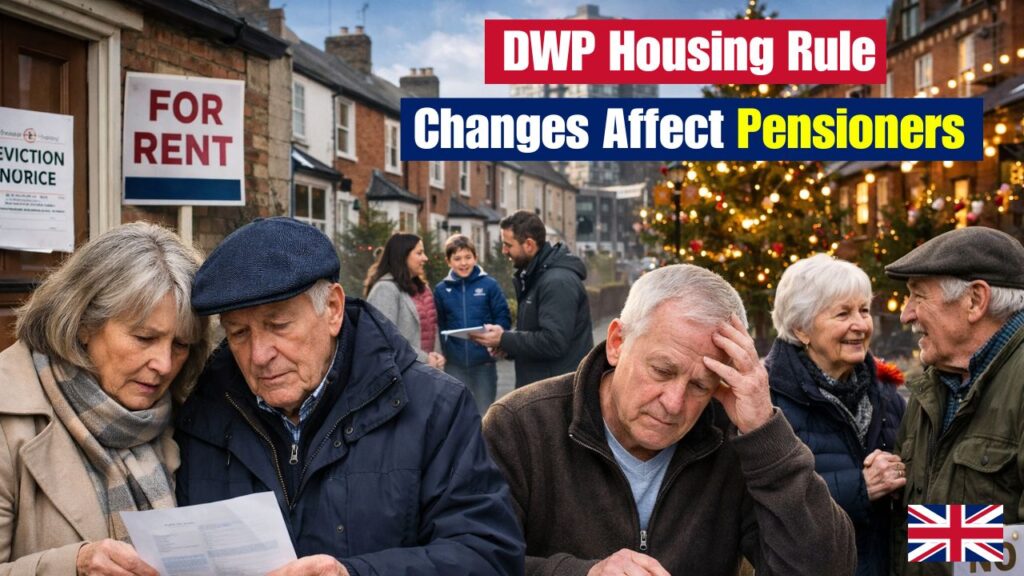
What the Latest DWP Housing Update Really Means for Pensioners
The DWP has not created a complete ban or stopped all support for people who own homes. The department has simply updated & made clearer how it looks at property ownership when pensioners apply for benefits that depend on income & savings or when they already get these benefits. The rules basically look at whether the property is where you actually live and whether you own any other properties that count as savings. They also consider how much equity you have in your home and whether you earn rental income from properties. The value of your property matters too. The rules examine what happens to your benefits if you move to a smaller home or sell or give away property. The DWP says these changes are meant to make sure the system treats everyone fairly and assesses benefit claims in the same way across the board.


Pensioners Most Likely to Gain or Lose Under the New Rules
The changes primarily affect pensioners who:
Own more than one property

Rent out part of their home
Have recently sold, transferred, or inherited property
Are applying for Pension Credit for the first time
Are moving into care or supported housing
Are considering downsizing or equity release
Pensioners who own only their main home and live in it full-time are generally the least affected, but the DWP has stressed that reporting requirements still apply.
How Your Primary Home Affects Pension Credit and Benefits
The DWP has confirmed that your main home does not count as capital when calculating most means-tested benefits like Pension Credit. Here is what this means for you: The value of your home will not reduce the amount of benefit you receive You will not be asked to sell your home to qualify for Pension Credit It makes no difference whether you still have a mortgage or own your home outright The DWP has made clear that this rule only applies as long as the property is your main residence.
Owning a Second Property: What the DWP Will Now Assess
The rules are more strict when it comes to second homes & extra properties. According to the updated guidance a second home is normally treated as capital. The market value after deducting selling costs might be counted when calculating benefits. Any rental income must be reported and this can change how much you are entitled to receive. These rules apply regardless of whether the property is being rented to tenants or sitting empty or located inside the UK or in another country. The DWP may sometimes allow a temporary exception in certain limited situations such as when the property is listed for sale and you are actively trying to sell it.
Downsizing or Selling Your Home and Benefit Reassessment
Many pensioners think about moving to a smaller home as they get older. The DWP has explained what happens to the money when you sell your house. When you sell your main home the money you get might not count against you for a short time. This usually applies while you are looking for and buying another place to live. There are time limits and rules you need to follow. But once you decide not to use that money for buying another main home it becomes counted as capital. This could change how much Pension Credit or other benefits you receive. Because of this it matters a lot when you report the sale and what you do with the money.
Transferring or Gifting Property to Family: DWP Risk Checks
The DWP has also highlighted rules around property transfers, especially when pensioners give property to children or relatives.

If a property is transferred:
– The DWP may assess whether this was done to reduce capital deliberately
– This is known as deprivation of capital
– Benefits can be refused or reduced if deprivation is found
Simply put, transferring a home shortly before claiming benefits can raise serious red flags, even if no money changed hands.
Renting Out Rooms or Annexes and Its Impact on Benefits
Some pensioners rent out a room or annex to earn extra income. The updated guidance states that rental income must be declared to the relevant authorities. Certain allowances may apply depending on individual circumstances. This additional income can reduce means-tested benefits that pensioners receive. Renting part of your main home does not automatically mean the property is counted as capital. The impact on benefits depends on how much income is earned and how the rental arrangement is structured.
Key Housing Benefit Myths Pensioners Should Avoid
The DWP has restated how property is treated when a pensioner moves into care.
If you move permanently into a care home:
– Your former home may be counted as capital
– Exceptions apply if a spouse, partner, or qualifying relative still lives there
Temporary care stays are usually treated differently, and the property may remain disregarded during that period.
Because care arrangements vary, the DWP advises seeking individual guidance before making decisions.