
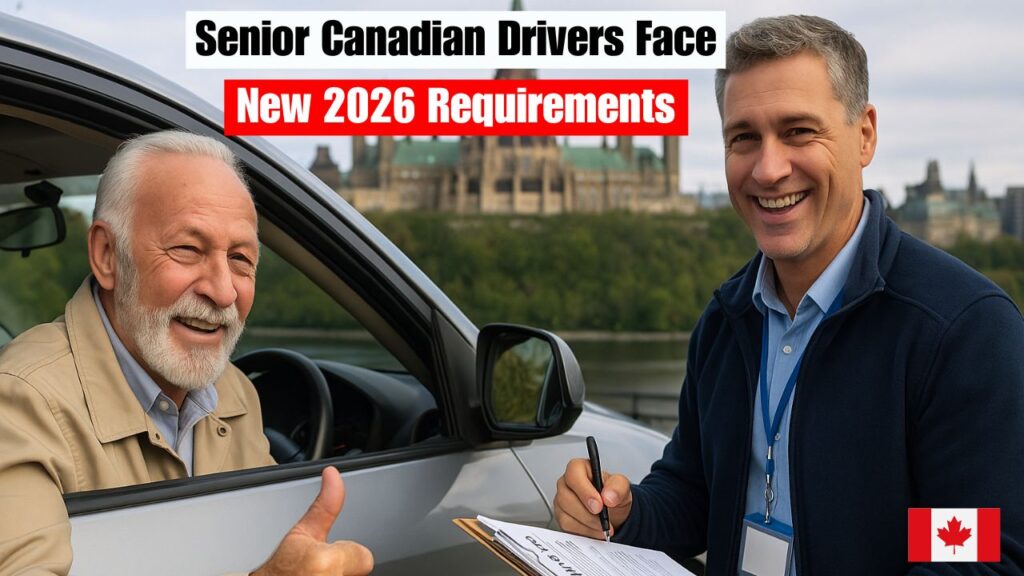
Beginning in January 2026 both Canada and Australia will introduce new regulations for senior drivers. These rules aim to improve road safety while allowing older adults to maintain their ability to drive independently. The changes will modify licensing requirements and renewal processes along with medical evaluations and testing standards for drivers above specific age limits. Seniors & their families need to understand these updates to stay compliant & avoid fines. This article explains the new rules and covers eligibility requirements along with testing procedures & renewal steps. It also offers practical guidance for older drivers in both countries. The new regulations recognize that driving ability can change with age. Both nations have developed systems that balance safety concerns with the need for seniors to remain mobile. The approach focuses on individual assessment rather than blanket restrictions based solely on age. Canada’s provincial governments will implement the changes according to their existing frameworks. Each province manages its own licensing system but the new rules establish common standards across the country.

Why Authorities Are Updating Senior Driving Regulations in 2026
Road safety data reveals that older drivers encounter specific difficulties behind the wheel such as delayed response times and declining sensory abilities along with health issues related to aging. Canadian and Australian authorities are working to decrease crashes involving elderly motorists while making sure their ability to drive gets checked on a regular basis. These governments want to maintain road safety without taking away the independence that seniors value & need in their daily lives. They also seek to create uniform testing standards and licensing requirements that apply consistently across different areas. The updated regulations emphasize prevention and continuous evaluation instead of abruptly taking away someone’s right to drive. This approach recognizes that driving ability changes gradually over time and requires ongoing attention rather than a single assessment. Officials believe that regular monitoring helps identify problems early before they lead to serious accidents. The goal is to keep roads safe while allowing older adults to maintain their mobility for as long as they can drive safely.
What’s Changing for Senior Drivers Across Canada
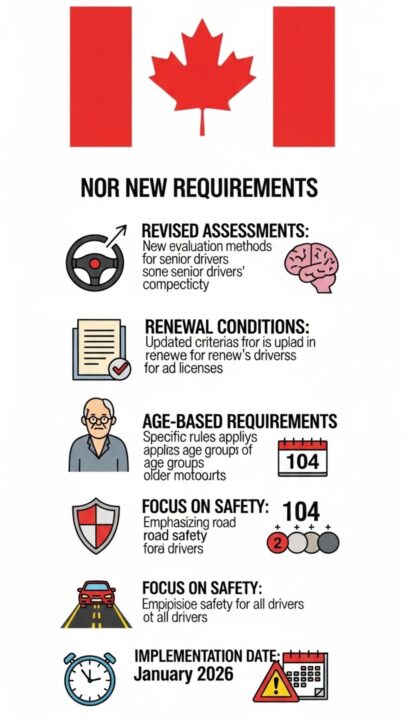
Canada’s New Driving Rules for Older Adults Canada has introduced updated driving regulations that primarily affect senior drivers. The specific age threshold varies by location but generally applies to those who are 70 years old or older.
 Canada Lines Up 6 CRA Payments Before Christmas 2025 - Revised Deposit Dates and Updated Timelines
Age-Linked Licence Renewal Framework Explained
License Renewal Requirements for Senior Drivers Drivers aged 70 and above must renew their licenses more frequently than younger drivers.
While most drivers renew every five years seniors need to complete this process every two to three years.
Medical Fitness Checks Now a Core Requirement
Seniors need to provide a medical report from a licensed doctor that includes information about their vision and cognitive function as well as their cardiovascular health and mobility. The reports go straight to the provincial licensing authorities.
Stricter Vision Standards for Older Motorists
On-site vision screening is required when drivers renew their licenses. Drivers who do not pass the initial vision tests must complete a comprehensive ophthalmological evaluation.
On-Road Testing Introduced for Higher-Risk Drivers
Older drivers who have crash records or several traffic violations might need to take a driving test when they renew their license. Senior drivers with medical conditions that could affect their safe driving ability may also face this requirement.
Conditional and Restricted Licences: What They Mean
Conditional licenses can come with specific restrictions like only being allowed to drive during daylight hours or within certain geographical boundaries. Authorities have the option to put corrective measures in place that help maintain safety standards while still allowing someone to keep their driving privileges instead of taking them away completely.
How Australia’s Senior Driving Rules Compare
Australian Rules Updates Australian rules football regulations are undergoing national updates although some differences may exist between states and territories.
Age-Triggered Assessments in Australian States
Drivers who are 75 years old or older might have to renew their license every year rather than waiting for the usual five year period.
Some Australian states including New South Wales Victoria and Queensland ask these older drivers to provide medical updates more often than younger drivers do.
Health Declarations Now Mandatory for Seniors
Seniors need to inform authorities about any medical conditions that could impact their ability to drive safely. In some cases the state licensing authority may require doctors or optometrists to send reports directly to them for review.
Fitness-to-Drive Reviews and Safety Thresholds
Older drivers who have health issues might need to take on-road assessments.
During these assessments driving instructors or approved examiners check how quickly drivers react and how well they make decisions & spot hazards.
Vision and Cognitive Screening Explained
Enhanced vision tests at license renewal.
Cognitive assessments may be introduced for drivers with suspected memory or concentration impairments. The current text already meets your requirements.
Conditional Licence Models Used in Australia
Limited licenses give older drivers the chance to keep driving when they meet certain requirements.
These licenses often come with rules such as staying within a local area driving only during daylight hours, or making changes to their vehicles.
How Senior Drivers Can Prepare Before January 2026
Preparing for the 2026 Updates in Canada and Australia Seniors in both Canada and Australia have the opportunity to take proactive measures to ensure they meet the requirements of the upcoming 2026 updates.
Book Medical Check-Ups Well in Advance
You need to speak with your doctor and complete all required medical documents well ahead of your renewal deadline. Book your appointment with enough advance notice to allow time for finishing any necessary medical paperwork and reports. Taking this approach helps you prevent rushing or experiencing delays as your renewal date gets closer.

Check and Improve Your Driving History
Make sure you do not have any unpaid traffic tickets that might lead to extra testing requirements.
Arrange Vision and Cognitive Assessments Early
You should book appointments at eye care offices or specialty medical centers to get complete vision examinations done.
Refresh Driving Skills Through Practice or Courses
Older drivers can improve their skills by taking refresher courses designed specifically for them. Many local driving schools now offer programs that focus on the needs of senior drivers.
Understand and Plan for Conditional Licences
Understanding Restrictions and Adapting Driving Routes and Schedules Drivers need to know about the various restrictions that affect their routes and schedules.
Key Safety and Mobility Benefits of the New Rules
Updated Regulations for Senior Drivers The new rules focus on several important goals for older drivers.
First they want to lower the number of accidents involving senior citizens on the road.
Second they aim to help older drivers feel more secure about their driving abilities.
Third they work to keep seniors mobile while making sure everyone stays safe.
Finally they offer straightforward information about how to renew licenses and what tests or medical checks might be needed.
Possible Challenges Seniors May Face
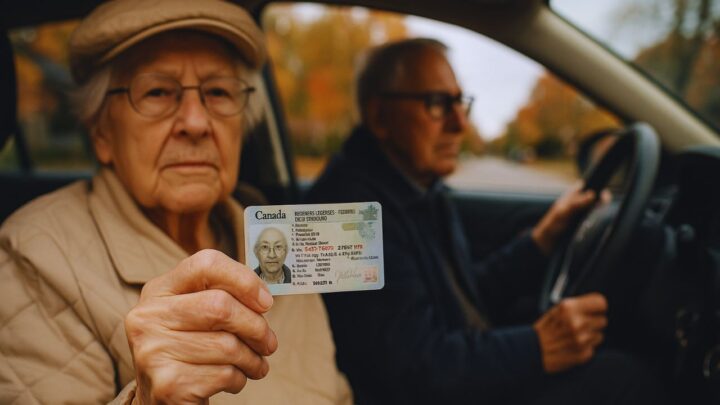
The new rules make driving safer but they create some problems for older drivers.
Some seniors will need to pay more money for medical checkups and eye tests.
Getting a license renewed might take longer than before. Some older people feel worried when they receive a license with special conditions or limits on where they can drive.
People who live far from cities often struggle to reach the offices where they need to renew their licenses.
Government offices in Canada and Australia have said they will help seniors deal with these changes. They plan to offer special road safety information designed for older drivers. They will also provide other ways for seniors to get around if they cannot drive. Some parts of the renewal process can now be done on the internet to make things easier.
Helpful Resources and Support Available for Older Drivers
Finding Help and Information for Seniors Older adults need to know where they can get reliable help and advice in their local area.
Canada
Provincial Licensing Authorities and Senior Driver Support Provincial licensing authorities supply the necessary forms and detailed guidance regarding medical reports and the specific timelines for license renewals.
These resources help drivers understand what documentation they need and when they must submit it.
Australia
State road authorities explain renewal requirements, medical assessments and conditional licenses in detail. Several states provide Safe Driving for Seniors programs that help improve driving skills and confidence.
Beginning in January 2026, senior drivers in Canada and Australia will need to follow new regulations intended to protect them and other people on the road. The additional medical assessments, vision tests and conditional licenses might appear difficult but these measures aim to preserve independence while enhancing road safety.
Seniors should familiarize themselves with the new regulations well in advance, arrange necessary evaluations and participate in driver refresher programs. Through early preparation older drivers can maintain their ability to drive safely and confidently according to the updated guidelines.