
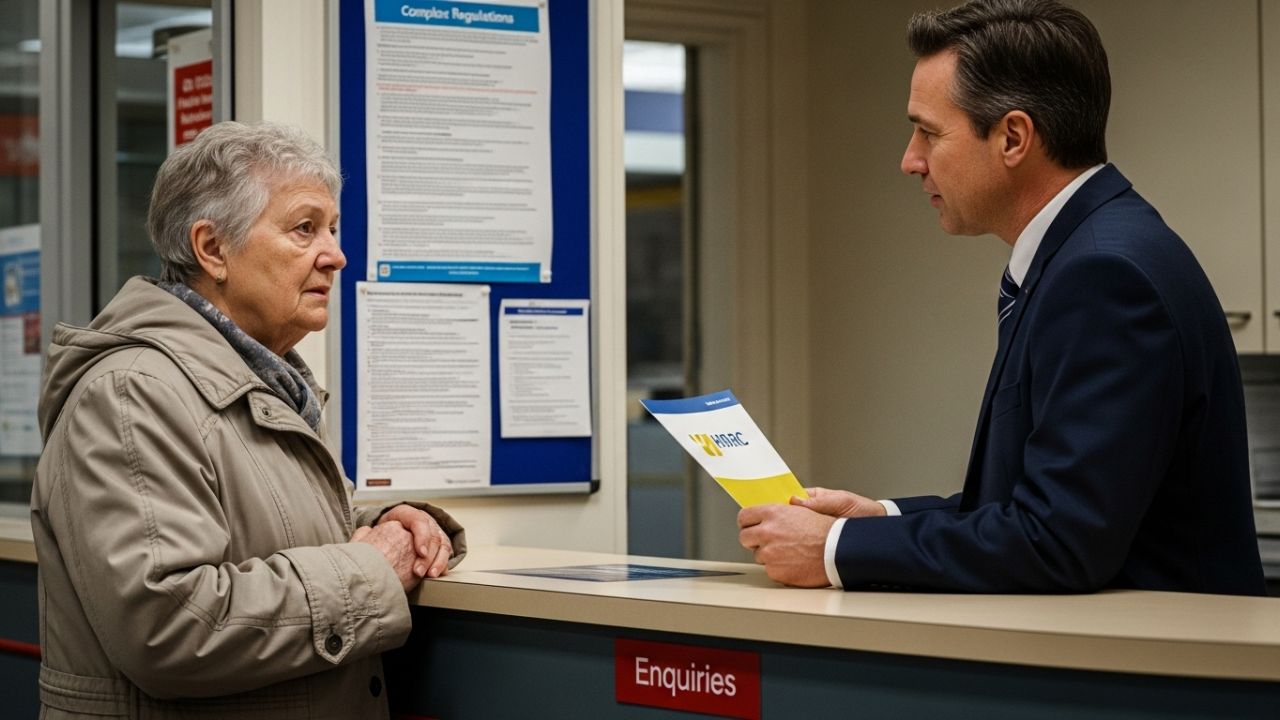
Thousands of UK pensioners are getting letters from HM Revenue and Customs after the agency started checking savings & tax records again. These letters are being sent to people whose savings or interest income might be above certain limits. This includes situations where account balances go over £3,000. The letters are genuine but HMRC has made clear that getting one does not automatically mean there is a penalty or that something wrong has happened. Most of the time these are just standard checks related to tax codes or benefit eligibility or interest from savings accounts that was not reported. Even so the language in the letters has worried many pensioners who thought their financial affairs were completely sorted. This article looks at what these HMRC letters actually mean and why pensioners are being contacted. It also explains how the £3000 amount relates to other tax rules and what you should do if one of these letters arrives at your home.

Why HMRC Is Contacting Pensioners Now
HMRC regularly checks information from banks and building societies against tax records. This activity has increased lately because interest rates are higher and people are earning more from their savings. Banks now share data automatically with HMRC. The tax office also reviews records when checking means-tested benefits and tax credits. They want to make sure everyone is using the right tax code. Pensioners with even small amounts of savings might now earn enough interest to go over their tax-free allowances. This does not always mean they owe tax but it can lead to HMRC taking a closer look at their accounts.

What the £3,000 Savings Figure Actually Means
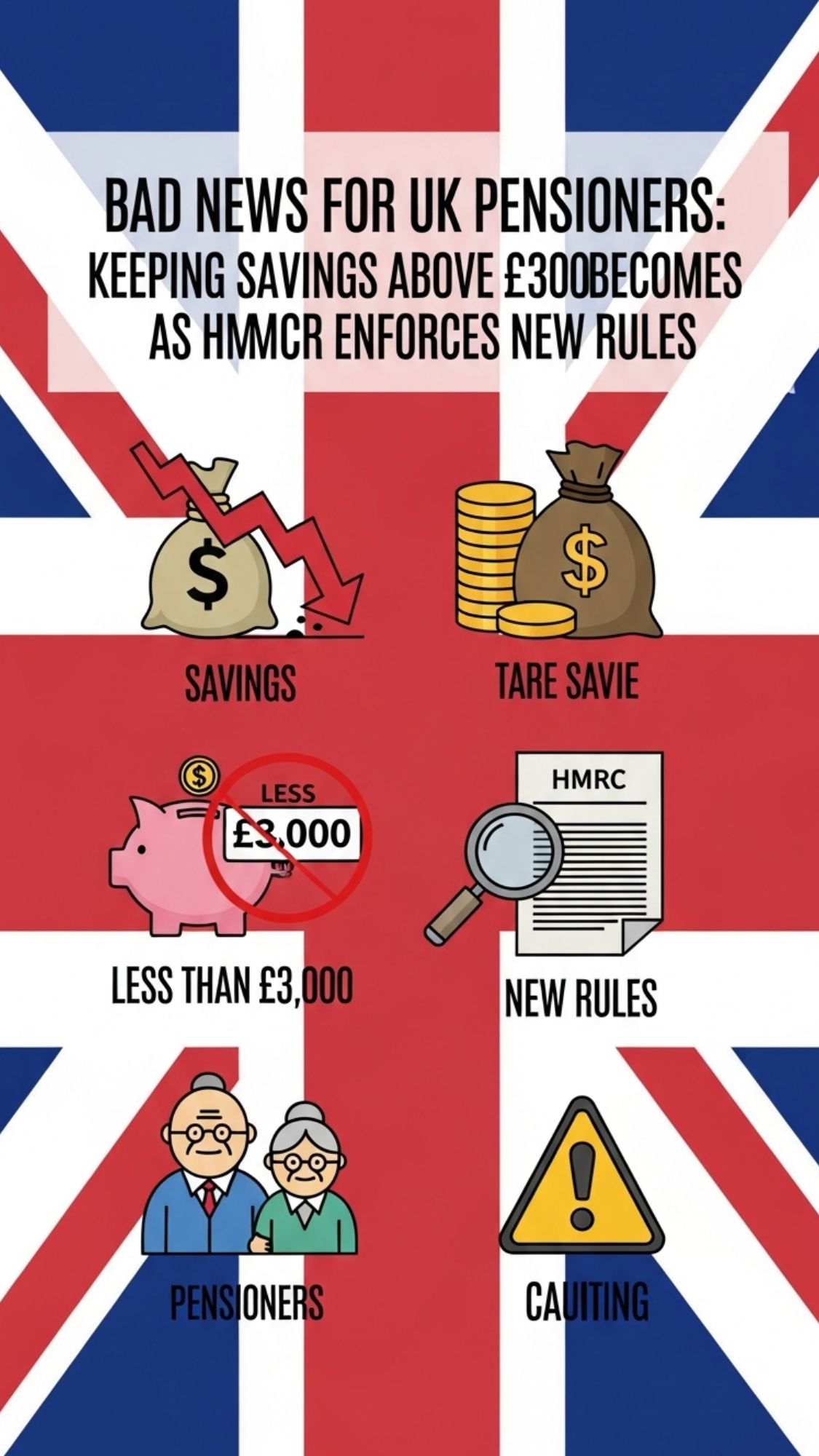
Many people feel confused when they hear about the £3000 savings limit for pensioners. The truth is that no UK law stops pensioners from having more than £3,000 in their bank accounts. The £3,000 figure comes up in specific situations. Some benefits that depend on your financial situation use savings limits to decide if you qualify. For example Pension Credit looks at how much money you have saved when working out what help you can get. If your savings go over certain amounts the interest they earn becomes taxable income that you must report to HMRC. The real point is that having savings is perfectly legal. What matters is how those savings change your benefit payments or tax situation.
Savings and Tax Rules Pensioners Should Know
Most pensioners do not pay tax on savings interest because of existing allowances. These include the Personal Allowance of up to £12570 depending on income. There is also a Starting Rate for Savings of up to £5,000 in some cases. Also the Personal Savings Allowance provides £1,000 for basic-rate taxpayers and £500 for higher-rate taxpayers. If your total income stays within these limits your savings interest may still be tax-free. Problems arise when HMRC believes interest income has not been correctly reflected in your tax code.

Common Reasons HMRC Sends These Notices
Pensioners may receive a notice for several reasons. These include interest earned from multiple savings accounts or a new fixed-rate bond paying interest at maturity. Changes in pension income during the tax year can also trigger a notice. Sometimes an outdated tax code fails to account for savings interest. HMRC may also make incorrect assumptions about benefit entitlement. In most cases HMRC is simply asking for confirmation or clarification.
What the HMRC Notice Usually Says
Most letters from HMRC follow a similar pattern. They typically state that HMRC has information suggesting your savings or interest income is higher than expected. The letter may indicate that a tax code adjustment might be needed or that you should check or update your details. Each letter includes a reference number and provides instructions on how to respond. You can usually reply online through your personal tax account or by post. Some letters also give you the option to call HMRC directly to discuss the matter.
Does This Mean You Will Be Fined?
No. Receiving a notice does not automatically mean a fine or penalty. HMRC typically allows time to respond and correct records or explain your situation. Penalties usually apply only when someone deliberately hides income or repeatedly ignores official requests. For most pensioners the outcome is one of the following. Confirmation that no tax is due. A small tax code adjustment. Repayment of a modest amount of tax spread over future payments.
How This Could Affect Pension Credit and Benefits
Pensioners who receive means-tested benefits need to pay attention to their savings levels. Pension Credit operates under a system that assumes savings above a specific threshold generate income regardless of whether they actually do. This assumed income can lower your benefit entitlement. This explains why HMRC & the Department for Work & Pensions sometimes exchange information about claimants. Anyone whose savings have grown recently should verify that their benefits remain accurately calculated.

What To Do If You Receive an HMRC Notice
If a letter arrives you should not ignore it. Take these steps calmly. Read the letter carefully and note the deadline. Check your savings accounts & interest statements. Compare the figures with your latest tax code. Respond using the method HMRC provides. If you are unsure you can contact HMRC directly or seek advice from a trusted adviser or charity.
How to Check Your Savings Interest
If a letter arrives you should not ignore it. Take these steps calmly. Read the letter carefully and note the deadline. Check your savings accounts & interest statements. Compare the figures with your latest tax code. Respond using the method HMRC provides. If you are unsure you can contact HMRC directly or seek advice from a trusted adviser or charity.
When You Should Seek Extra Help
You may want professional or independent advice if the figures in the letter do not match your records. You should also seek help if you believe HMRC has made an error. Professional advice is useful when your finances are complex or involve multiple income sources. Consider getting support if you are worried about benefits being affected. Organisations such as Age UK and Citizens Advice can offer guidance tailored to pensioners.
Why These Checks Are Increasing
HMRC has clearly said that making tax and benefit records more accurate is one of their main goals. Digital reporting and real-time data sharing help them find mistakes more easily even when those mistakes are small. More pensioners are now using their savings to add to their income because of the cost of living crisis. This means these kinds of checks are happening more often instead of becoming less frequent.
Key Reassurance for Pensioners
You should keep in mind that having savings is perfectly legal and not something to worry about. When you receive a notice from HMRC it is usually just a standard check that they carry out regularly. The tax authority gives you reasonable time to respond to their queries and fix any problems they find. If you have made an honest mistake they will typically resolve it without charging you any penalties. The key to handling these situations well is to stay informed about what HMRC needs from you and to respond quickly when they contact you. This approach will usually be enough to sort out any issues without complications.