
Free Solar Heater Program Launches in South Africa A new program starting this September will provide free solar heaters to residents in eight South African townships. The initiative addresses ongoing energy shortages while encouraging environmentally friendly practices. South Africa receives plenty of sunshine throughout the year. This program takes advantage of that natural resource by installing solar heaters in homes. These devices use sunlight to heat water without requiring electricity from the grid. Households that receive solar heaters will see lower electricity bills each month. They will also depend less on traditional power sources that can be unreliable. The program benefits both individual families and the broader community by reducing strain on the electrical grid. The environmental advantages are significant. Solar heaters produce no emissions and require no fuel beyond sunlight. This shift toward renewable energy helps reduce the carbon footprint of participating households. Local economies may also benefit from the program. Installation and maintenance of solar heaters can create jobs in the townships. Families saving money on electricity bills will have more income available for other needs. The initiative represents a practical approach to solving multiple problems at once. It tackles energy poverty while promoting sustainable technology. By focusing on townships the program reaches communities that often face the greatest challenges with electricity access and affordability. This September marks the beginning of a transition toward cleaner energy for thousands of South African households.

How Free Solar Heaters Will Change Daily Life in Township Homes
– Provide free solar water heaters to eligible households.
 Bad News for UK Pensioners: Keeping Savings Above £3,000 Becomes Harder as HMRC Enforces New Rules
– Lower monthly electricity expenses for local residents.
– Encourage the adoption of clean and renewable energy.

– Reduce overall carbon emissions in communities.
– Strengthen and support community-based green initiatives.
Environmental Gains and Social Benefits for Local Communities
– Improved quality of life for residents.
– Increased awareness of renewable energy.
– Job creation in the green energy sector.
– Enhanced energy security for townships.
– Contributions to national sustainability goals.
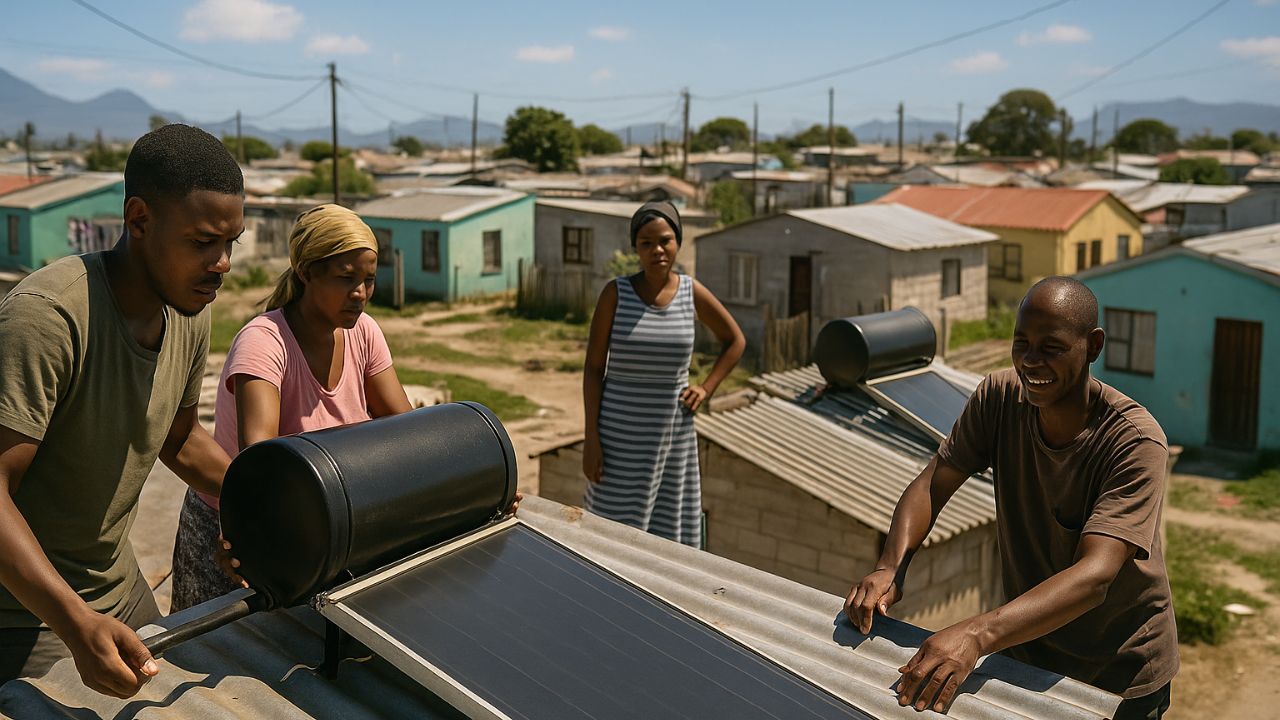
Rollout Plan: How the Solar Heater Programme Will Be Implemented
The solar heater program will be carefully organized to achieve the best results. Each chosen township will get a customized plan that takes into account the specific requirements and infrastructure issues of that area. Local officials and energy specialists will work together to manage the installation & make sure the solar heaters are set up properly in homes. The initiative aims to involve community leaders & residents throughout this process to create a feeling of ownership & engagement that will help the project succeed over time.
| Township | Population Size | Planned Solar Heaters | Projected Cost Savings | Rollout Timeline | Implementation Partners | Primary Funding |
|---|---|---|---|---|---|---|
| Soweto | 1.3 million | 200,000 units | R500 million | September 2023 | Local Government Bodies | National Energy Fund |
| Khayelitsha | 400,000 | 100,000 units | R250 million | October 2023 | Non-Profit Organisations | International Grants |
| Alexandra | 180,000 | 50,000 units | R125 million | November 2023 | Private Sector Partners | Corporate Sponsorships |
| Mamelodi | 330,000 | 80,000 units | R200 million | September 2023 | Community Associations | Government Subsidies |
| Mitchells Plain | 310,000 | 75,000 units | R187.5 million | October 2023 | Energy Specialists | Public Donations |
| Tembisa | 463,000 | 115,000 units | R287.5 million | November 2023 | Academic Institutions | Research Grants |
| Umlazi | 404,000 | 100,000 units | R250 million | September 2023 | Local Councils | Municipal Budgets |
| Diepsloot | 140,000 | 35,000 units | R87.5 million | October 2023 | Social Enterprises | Charitable Funds |
Cost Savings and Energy Efficiency for South African Households
The growing use of solar heaters in these townships should bring major economic and environmental advantages. When households use unlimited solar energy they can significantly reduce their electricity bills and have more money available for other important expenses. On a larger level the drop in electricity use helps decrease pressure on the national power grid and reduces the chance of blackouts. From an environmental perspective this program will cut carbon emissions because solar energy is clean and renewable and does not create harmful pollution.
– Lower monthly electricity costs for households.
– Decreased pressure on the national electricity grid.
– Support for eco-friendly and sustainable lifestyle choices.
– Reduction in harmful environmental emissions.
– Expansion of clean and renewable energy adoption.
Overcoming Installation, Maintenance, and Infrastructure Challenges
The solar heater program offers many advantages but faces several obstacles that need solutions. The main issue involves the upfront expenses and practical difficulties of setting up solar heaters throughout large township areas. The program tackles this problem by working with government agencies and private companies to provide funding and handle the installation process. Another significant obstacle is teaching residents how to operate & care for their solar heaters properly. The initiative addresses this concern by offering detailed training sessions & educational workshops that give households the skills they need to manage their systems effectively.
– Establish strategic funding partnerships.
– Create comprehensive training resources for local residents.

– Implement a streamlined and reliable supply chain system.
– Collaborate with community leaders to strengthen advocacy efforts.
– Track, assess, and report on overall project performance.
Government, Community, and Private Partners Driving the Project
The solar heater program works because different groups cooperate with each other. Government agencies and local councils work with energy specialists to manage how the project runs. Non-profit organizations & community groups help by getting residents involved and teaching them about the benefits. Private companies provide money & technical knowledge that keeps the program going over time. These partners want to build a system that other regions can copy when they start their own renewable energy programs.
– National and regional government bodies.
– Non-profit and voluntary organizations.
– Grassroots and community-led groups.
– Private enterprises and corporate partners.
– Universities and research institutions.
Funding Sources and Resource Distribution Across 8 Townships
Getting enough money is critical for making the solar heater project work. The project uses different funding sources like government help, international grants company sponsorships and public donations. Smart money management makes sure all eight townships get fair support and installations finish on time. Regular checks and clear reporting keep everything accountable and help use funds in the best way. By spreading resources wisely, the project wants to create the biggest impact & become a model for future clean energy projects.
| Funding Source | Estimated Contribution |
|---|---|
| Government Subsidies | R300 million |
| International Grant Support | R200 million |
| Corporate Sponsorships | R150 million |
| Public Donations | R100 million |
| Municipal Budget Allocations | R50 million |
| Research & Innovation Grants | R75 million |
| Charitable Funds | R25 million |
South Africa’s Long-Term Renewable Energy Roadmap for Communities
The solar heater program represents just the beginning of South Africa’s path toward sustainable energy. The project shows that solar power works well & brings real advantages. This demonstration seeks to encourage more investment in renewable energy sources across the country. The future plan involves bringing solar energy systems to additional areas throughout South Africa. Leaders want to spark new ideas in environmental technology and help people care more about protecting nature. The ultimate aim is making South Africa a top renewable energy nation in Africa. This approach supports economic development while keeping the environment healthy for future generations.
– Scale up solar power infrastructure across the entire nation.
– Promote innovation and advancement in renewable energy technologies.
– Build a strong culture of sustainability and environmental responsibility.
– Establish South Africa as a global leader in clean and green energy.
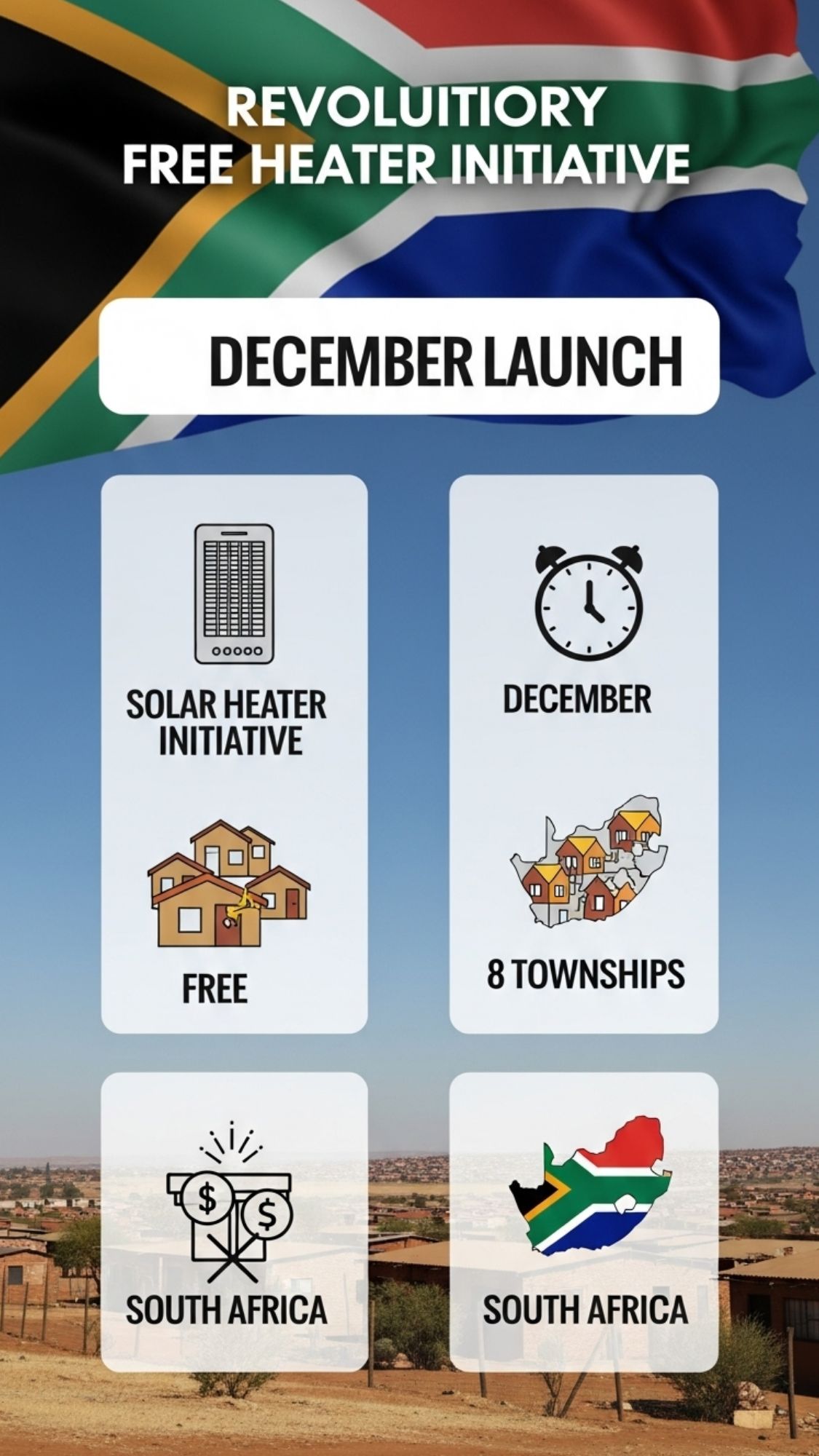
Tracking Impact, Performance, and the Future Expansion Plan
The solar heater project uses a detailed evaluation system to measure its success. The main measurements track how many heaters get installed and how much energy gets saved along with the decrease in carbon emissions. The team conducts regular reviews to make necessary changes and improvements so the project stays on track with its goals. This initiative might become a model for other programs across different areas and help South Africa build stronger and more sustainable energy systems. The lessons learned from this project will help stakeholders make better decisions for future work and support the development of a cleaner and more sustainable environment.
– Monitor installation progress and overall completion performance.
– Assess energy savings achieved and reductions in operating costs.
– Analyze environmental benefits, including emissions reduction.
– Continuously adjust and improve strategies based on stakeholder feedback.
| Performance Indicator | Revised Target |
|---|---|
| Heaters Installed | Over 800,000 units deployed |
| Energy Cost Savings | Approx. R2+ billion saved |
| Carbon Emissions Reduction | Reduction of 500,000+ tons |
| Community Participation | Strong and active involvement |
| Project Expansion | Nationwide rollout by 2025 |
| Public Awareness Growth | Increase of nearly 70% |
| Technical Advancement | Ongoing system improvements |
| Long-Term Sustainability | Fully achieved by 2030 |